December 21, 2010 | Author: Greg - Staff Writer
The 2010 Winter Solstice Total Lunar Eclipse is over and I’m sure we’re all recovering from a serious lack of sleep! What a night! The above photo was submitted by Candace who says she used a Canon Rebel T2i without a telephoto lens to capture the event. As you can see, the moon is completely in the Earth’s shadow – or umbra – and is displaying the characteristic red-orange hue.
Read the rest of this entry >>
December 18, 2010 | Author: Greg - Staff Writer
The Christmas Star is also known as the Star of Bethlehem. It is a star that, in the Christian tradition, shown brightly for a short period of time and heralded the birth of Christ. We like to stick to the science of the universe here at Outerspace Universe, so let’s explore what may have actually happened 2,000 years ago.
Read the rest of this entry >>
December 11, 2010 | Author: Greg - Staff Writer
On December 21, 2010 at 1:33 am Eastern Standard Time (EST) [8:17 UTC], the Moon will enter Earth’s penumbra or partial shadow. You will see the moon dim and begin to turn a reddish color. At 2:41 am EST, the Moon will enter the Earth’s umbra or full shadow. This is when the total lunar eclipse begins.
Read the rest of this entry >>
December 4, 2010 | Author: Greg - Staff Writer
The December night sky is excellent for viewing the rising winter constellations here in the northern hemisphere. The air is relatively clear and some of the best constellations become visible. This month we are going to focus on Eridanus, Cetus and Triangulum.
Read the rest of this entry >>
December 2, 2010 | Author: Brian - Staff Writer
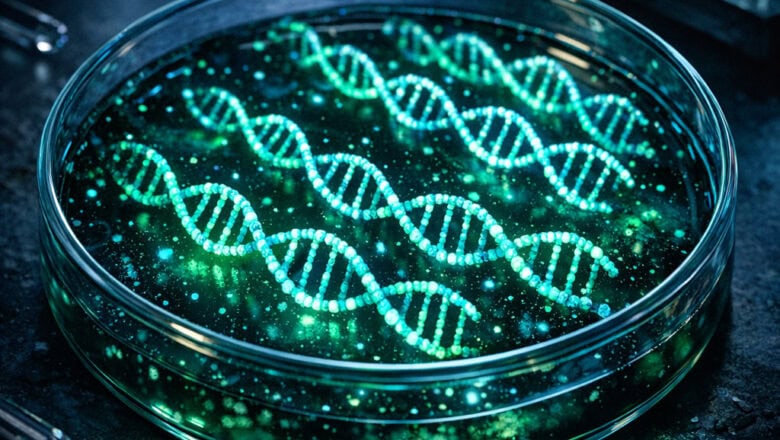
While it hasn’t been completely confirmed, sources say that NASA’s big news conference today will confirm the existence of a bacteria that uses Arsenic in place of Phosphorus in its DNA building blocks.
Read the rest of this entry >>