April 23, 2011 | Author: Greg - Staff Writer
This dramatic image of the Cone Nebula was taken by the Hubble Space Telescope on April 2, 2002. The Cone Nebula, also known as NGC 2264, is an H II region that can be found in the constellation Monoceros. Its about 2,600 light years away from the Earth.
Read the rest of this entry >>
April 16, 2011 | Author: Greg - Staff Writer
In fact, the Pacman Nebula is actually creating new stars. This nebula, which is also known as NGC 281, is an H II region that can be found in the the constellation Cassiopeia. NGC 281 got it’s name because it looks like the video game character “Pacman”.
Read the rest of this entry >>
April 3, 2011 | Author: Greg - Staff Writer
Saturn will rule the night sky throughout the month of April this year. The Earth is between the Sun and Saturn and Saturn’s rings are tilted toward the Earth almost nine degrees. Both of these factors will make for some great viewing.
Read the rest of this entry >>
March 29, 2011 | Author: Greg - Staff Writer
Now that it’s officially spring, it’s time to focus on the major constellations visible in the northern hemisphere. This April, I want to highlight a very prominent and recognizable constellation – Ursa Major. Ursa Major is also known as The Great Bear. As you can see in the above star chart, Ursa Major will appear nearly overhead toward the northeast around 10pm, EST in early April.
Read the rest of this entry >>
March 28, 2011 | Author: Brian - Staff Writer
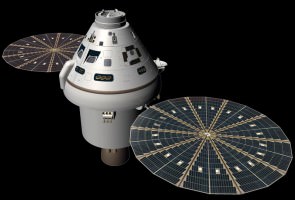
The launch and return of NASA space shuttle Discovery mission STS-13, which launched on February 24th, 2011 and made its return landing on March 9th, 2011, marked the end of NASA’s space shuttle program. But what does the end of the space shuttle program mean? What will be its successor?
Read the rest of this entry >>